
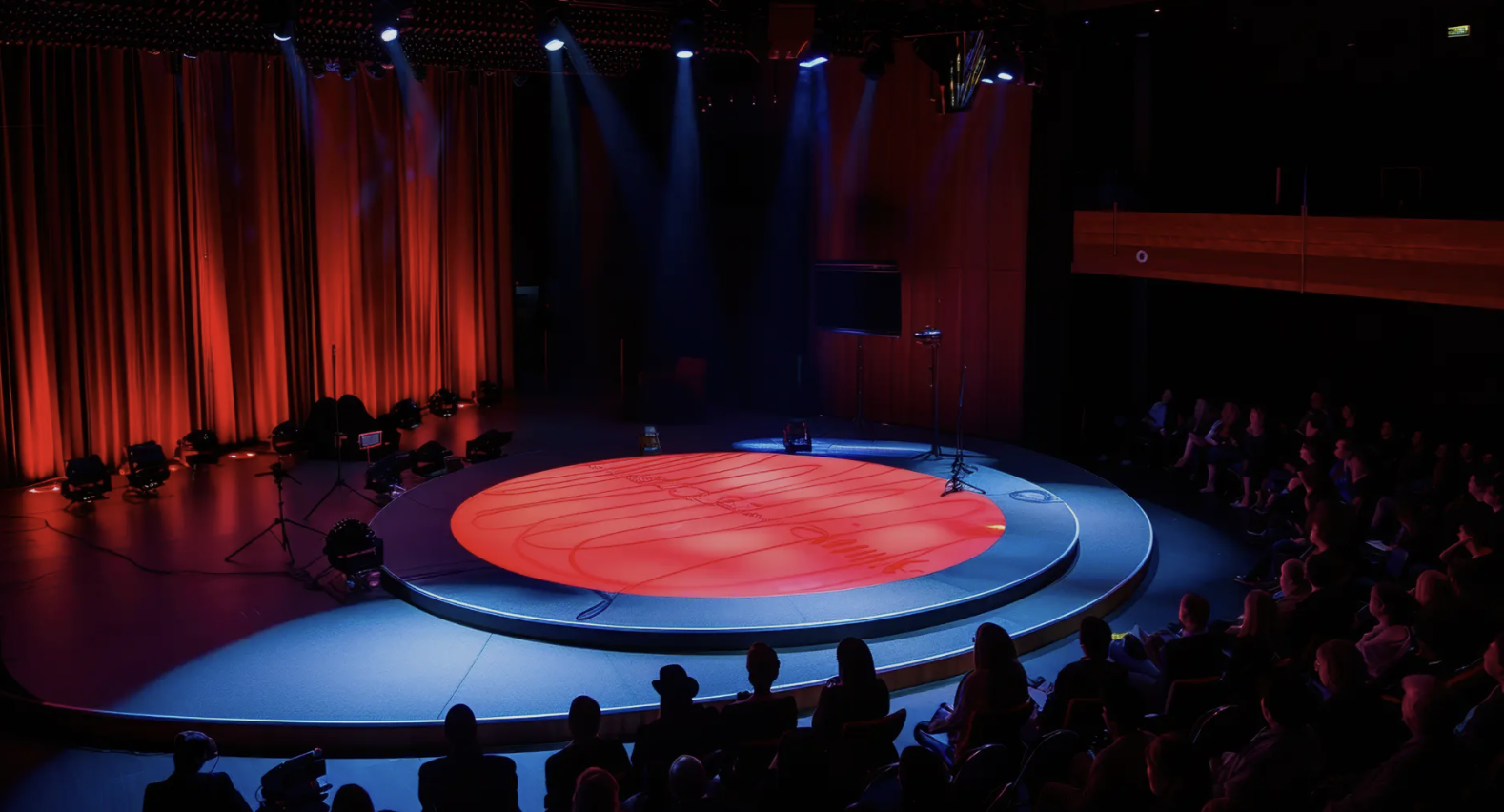
If you’ve ever watched a talk that stayed with you long after it ended, chances are it began the same way: a speaker standing on a red circular carpet, framed by four bold letters.
Sometimes those letters read TED.
Sometimes they read TEDx.
At first glance, the difference seems minor, almost technical. But the story behind those stages is not the same.
The Origin of the Stage
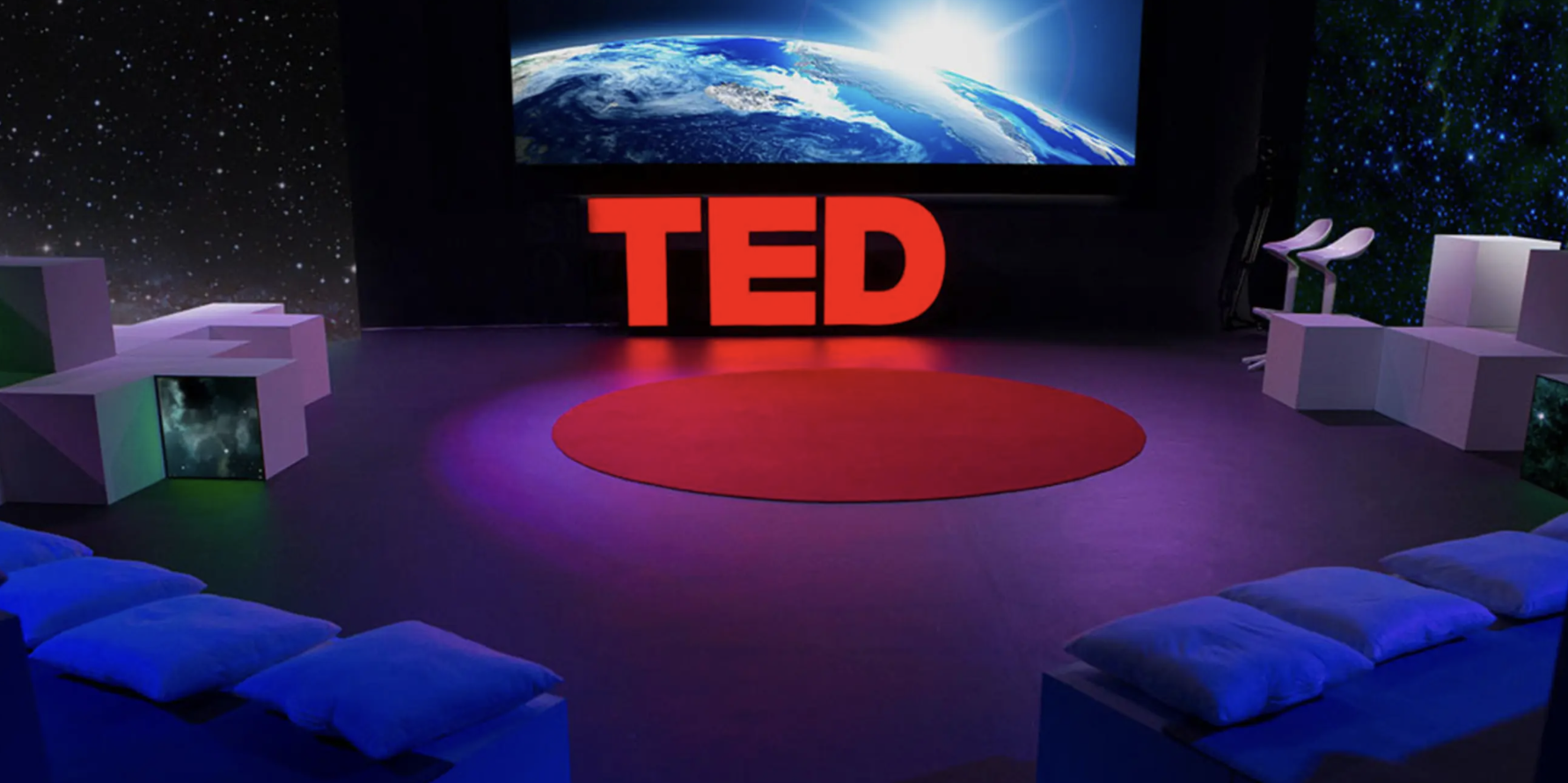
TED began in 1984 as a conference bringing together leaders in Technology, Entertainment, and Design. What started as a niche gathering evolved into a global nonprofit known for curating ideas with the potential to travel far beyond the room in which they are spoken.
TED events are organized directly by the central TED team. Speakers are invited after a deliberate and selective process, often following years of influence in their field. The scale is international, and the ambition is global.
On that stage, you’ll often find figures such as Bill Gates, Brené Brown, or Chimamanda Ngozi Adichie - individuals whose work already reaches across borders. The expectation is not simply that the talk will be good. It must be durable. Transferable. Relevant to audiences who may never share the same context.
TED operates from the center outward. It defines the format and protects the brand at its core.
The Stage With the “x”
TEDx tells a slightly different story.
The “x” stands for an independently organized event. It signals that while the format is shared, the leadership is local.
TEDx events are licensed by TED but organized by individuals and teams within their own communities. They follow strict guidelines regarding content, tone, and structure. Talks must remain non-commercial and idea-driven. But the speakers are selected locally, and the themes often reflect the immediate concerns of that audience.
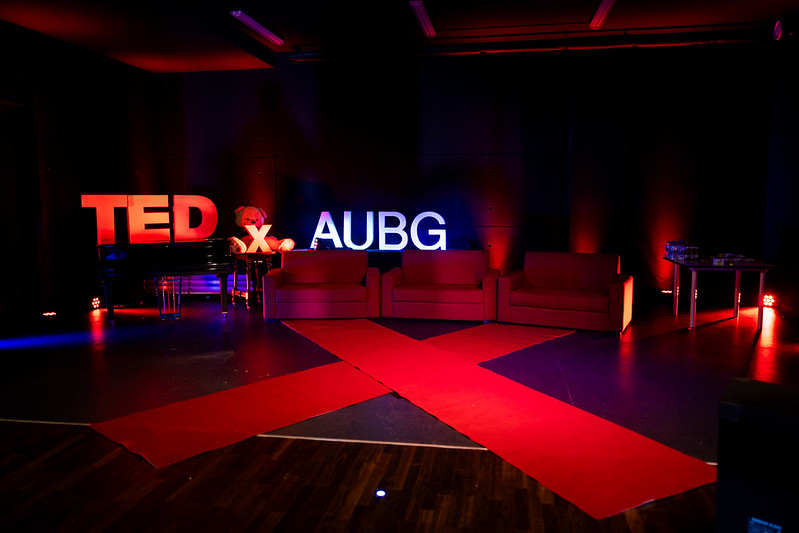
An event like TEDxAUBG exists because a team decided that its community deserved a platform for ideas. The speakers may be researchers, artists, entrepreneurs, or students whose influence is rooted in that specific environment.
The structure is consistent. The ownership is different.
Where the Real Difference Lies
The difference between TED and TEDx is not about prestige or quality. Both uphold the same standards for clarity, originality, and substance.
The distinction lies in governance.
TED is centrally curated and invitation-based.
TEDx is licensed and community-led.
TED typically showcases voices with established international recognition.
TEDx often highlights voices that matter deeply within a particular place or moment.
One operates as a global institution.
The other functions as a distributed network.
Why It Matters
Understanding this difference changes how you see the stage.
When you watch a TED talk, you are witnessing an idea selected at the highest level of the organization - positioned to resonate worldwide.
When you watch a TEDx talk, you are seeing a community define its own conversation within that shared framework.
The red carpet may look the same. The lighting may feel identical. The applause may sound just as strong.
But behind the stage, the systems are different and in those systems lies the true distinction between TED and TEDx.